View this page on my blog for moving GIFs.
1. Plenoptic image
The plenoptic image is restructured as a matrix of size \((U, V, S, T, C) = (16, 16, 700, 400, 3)\).
- \(U, V\) are the coordinates on the aperture or coordinates of the pinhole, viewpoint, or the origin of a light ray.
- \(S, T\) are the the coordinates on the lenslet array or the coordinates of the coordinates of the world object for a fixed pinhole, or the endpoint of a light ray.
Sub-aperture views
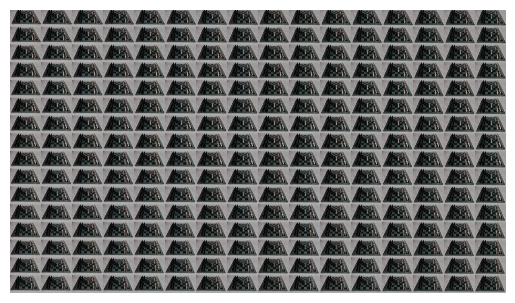
This data has 16x16 “viewpoints” or sub-apertures. Each viewpoint is depicted here, in a grid of 16x16 images.
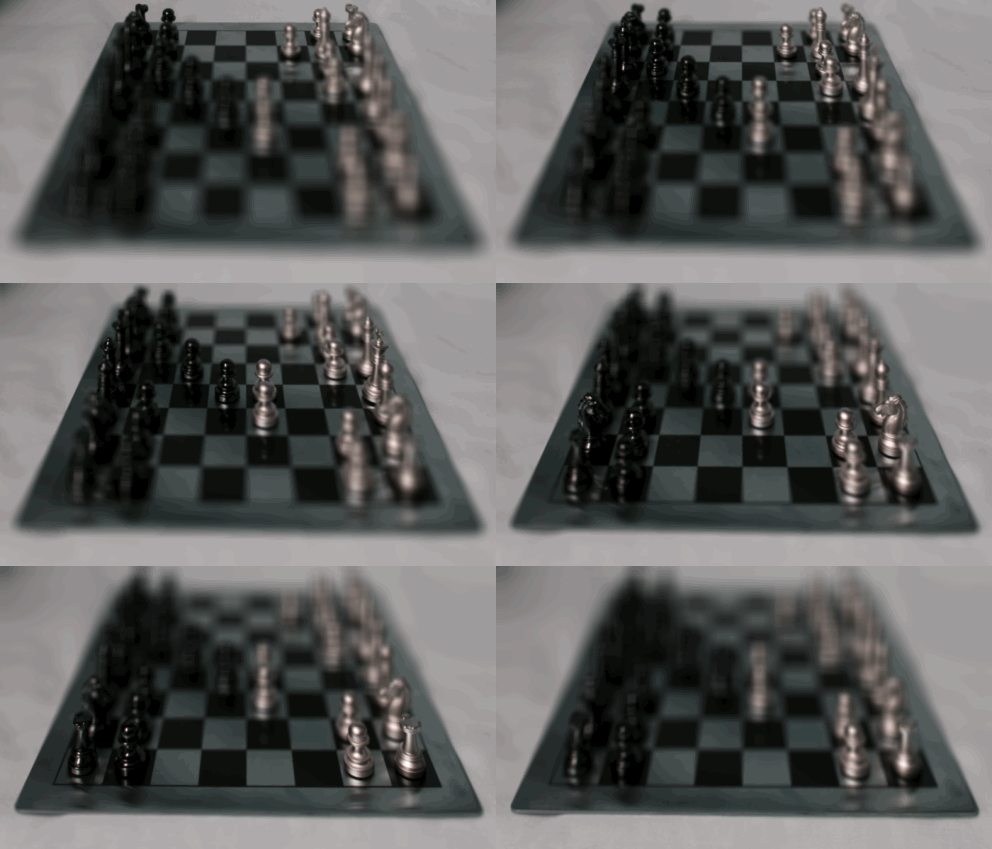
Refocusing / Focal stack simulation
\(\iint_{(u,v) \in A} L(u, v, s, t, c) \text{d}v \text{d}u\)
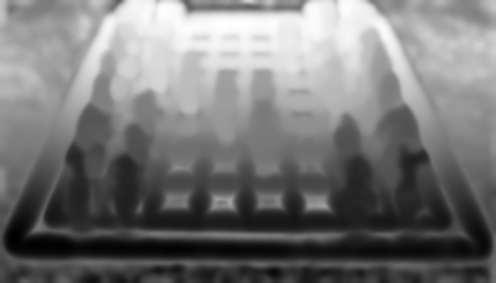
Depth from focus
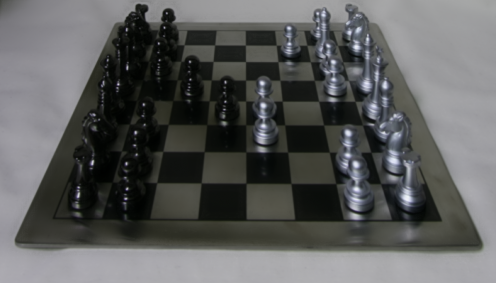
Using \(\sigma_1=1, \sigma_2=4\), we recover the following depth image and all-in-focus image.
Focus-Aperture stack
The aperture size varies horizontally and focal distance varies vertically along the grid in the following image.
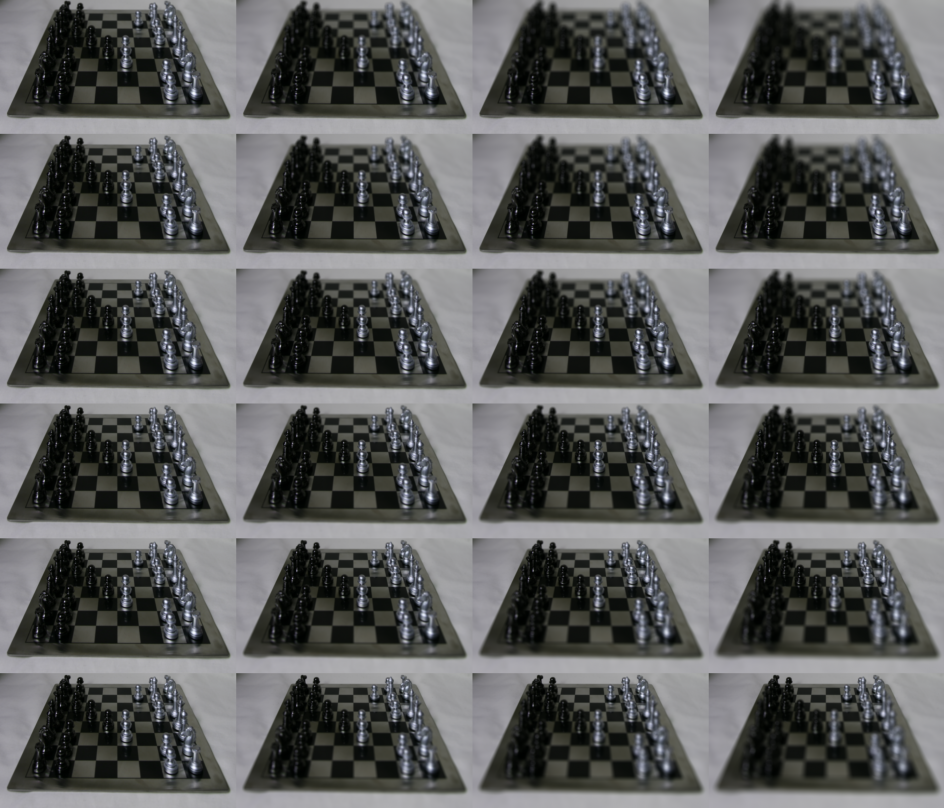
Aperture-focus images



x=60, y=240
x=90, y=360
x=150, y=120
x=200, y=125
Horizontal axis represents aperture size and vertical axis represents change in depth.or focus
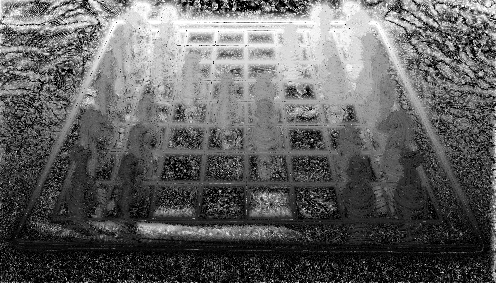
Depth from Focus-Aperture stack
2. Unstructured lightfield
Capturing unstructured lightfield
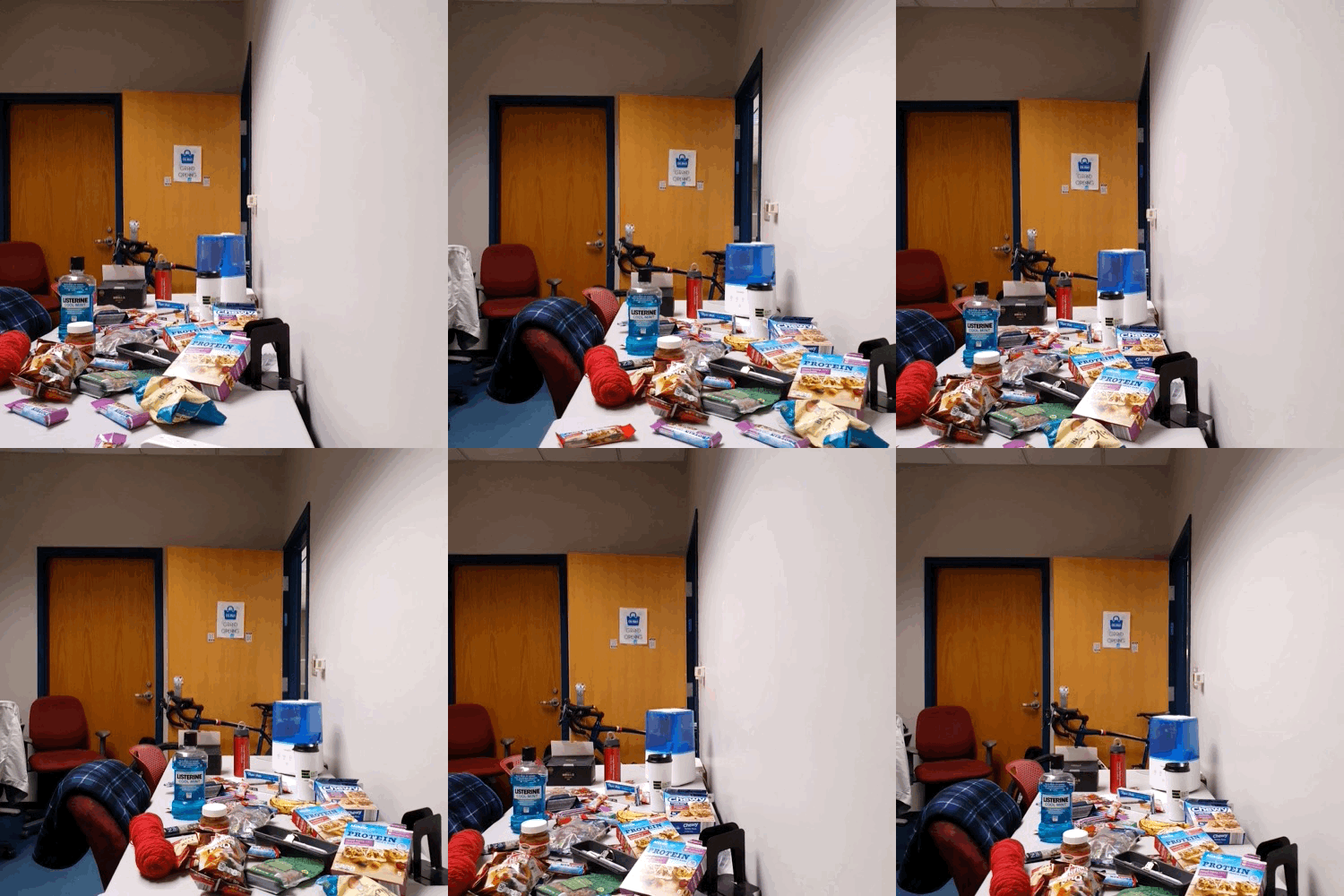
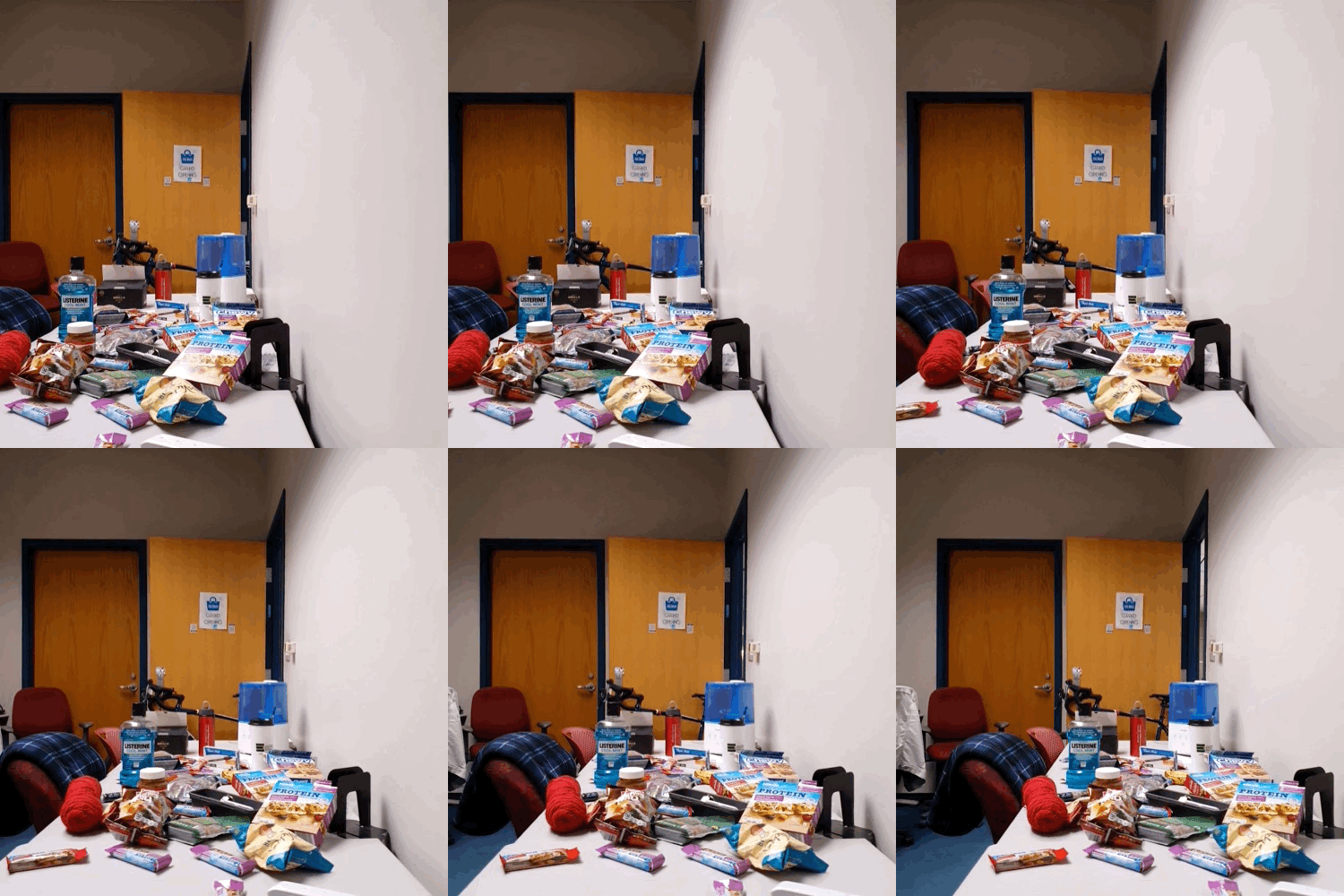
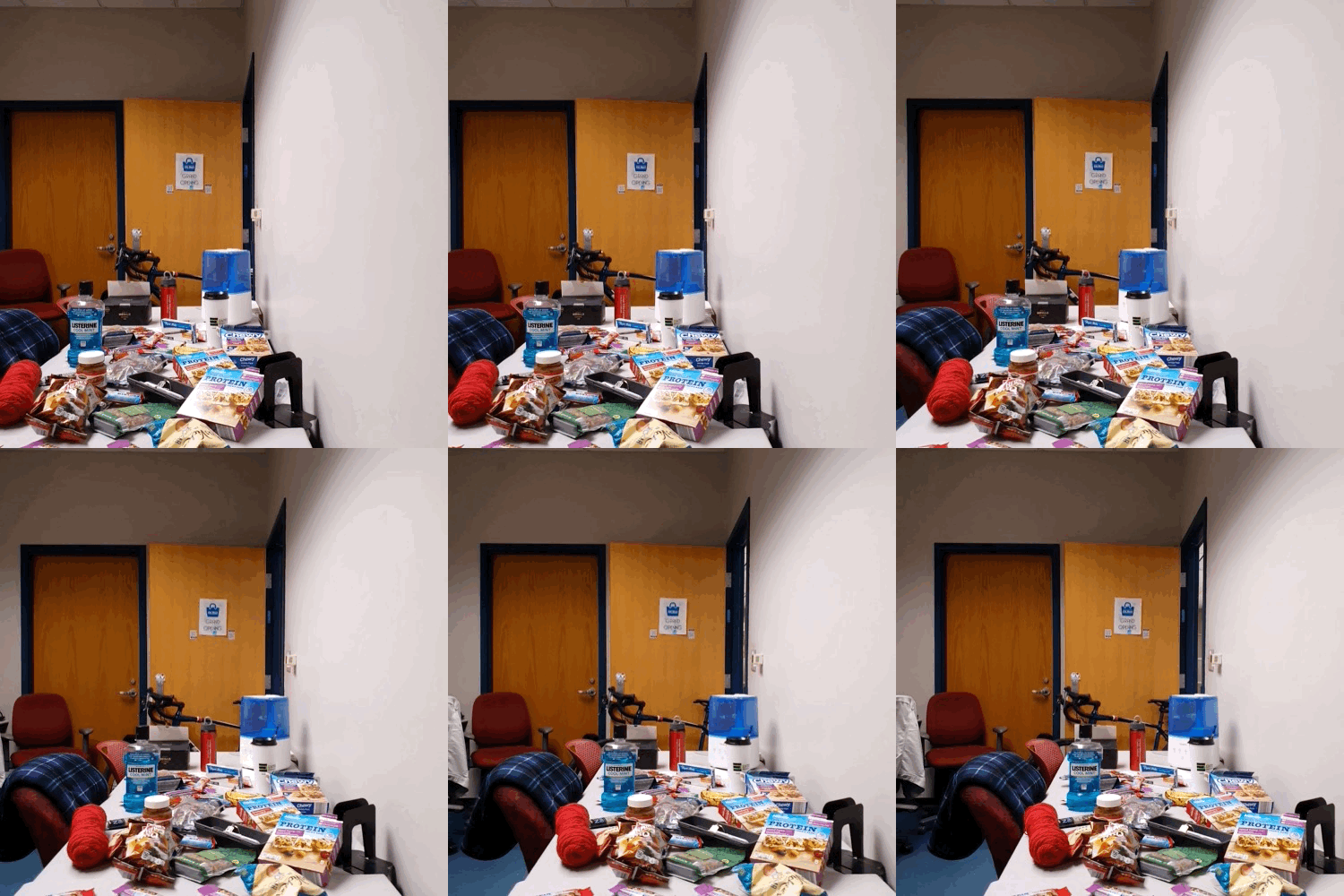
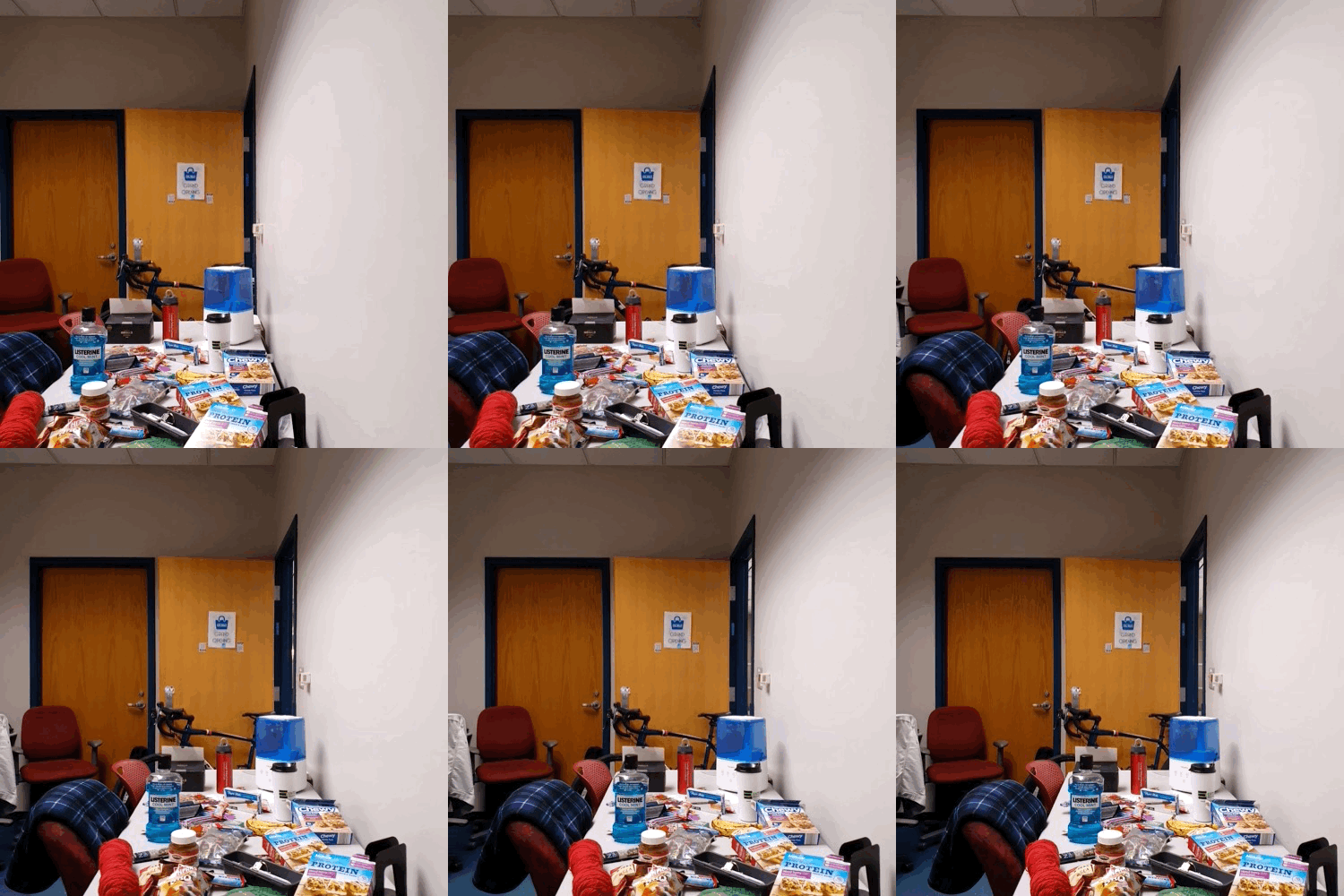
Top: the full-length GIF shows how the camera was moved.
Bottom: three cuts from different heights.
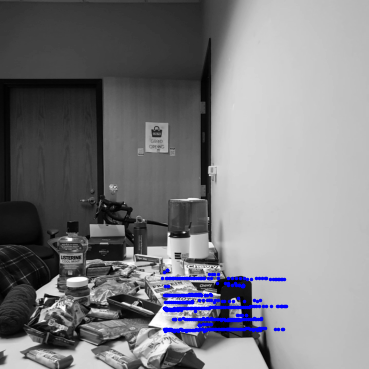
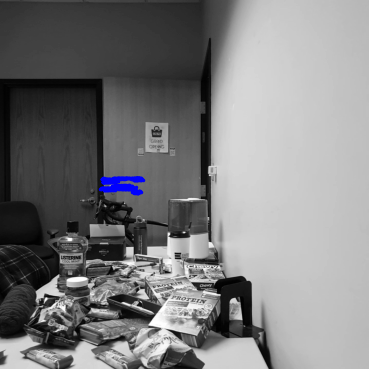
Calculating shifts
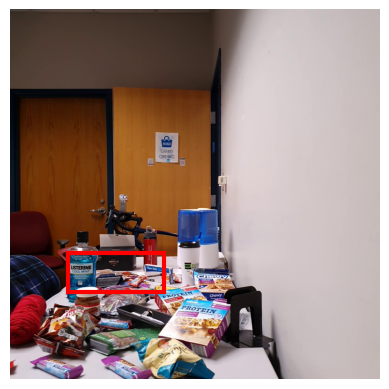
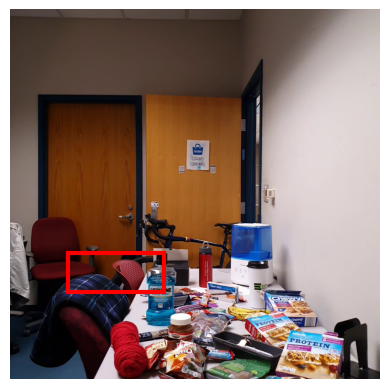
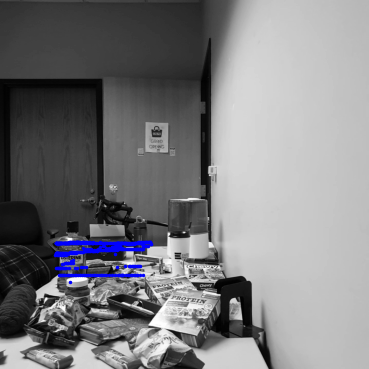
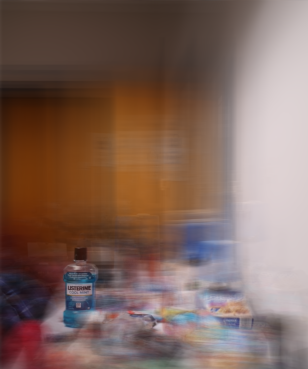
Top Center: frame taken from bottom right camera position
Top Right: frame taken from top left camera position
The red box refers to the search window.
Bottome Left: A plot of all points where the template patch was found.
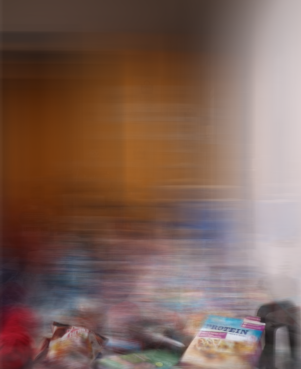
Bottom Right: A refocused image on the template
-
I employ a coarse-to-fine search to save computation. I slide the template by
step_sizeacross the search window and find the position where NCC is highest. -
When such initial position is found, I search within a smaller search window within
step_sizedistance from the initial position by sliding the template by a single pixel at a time. - To calculate NCC (Normalized Cross Correlation),
- center both template and image patch at zero mean.
- apply box filter on image patch
- divide by l2 norm
- take sum of correlation
scipy.signal.correlate2d
-
The position found in step 2 offset by shifting the same amount in the negative direction, in order to align all the frames on the same patch.
- Average all aligned frames and crop to attain the refocused image.
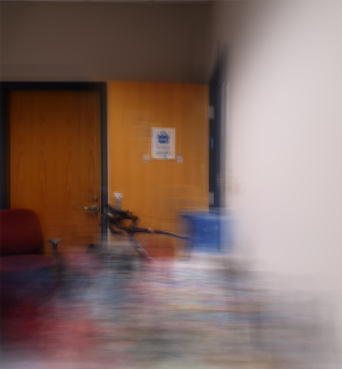
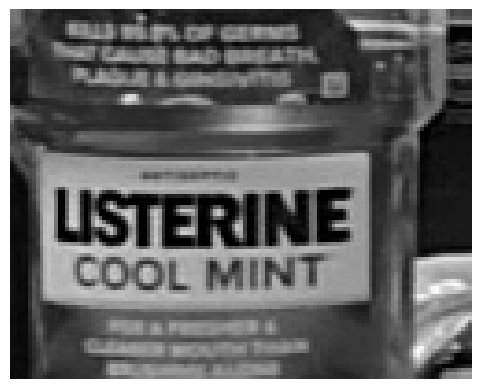
Bottom: refocused on door