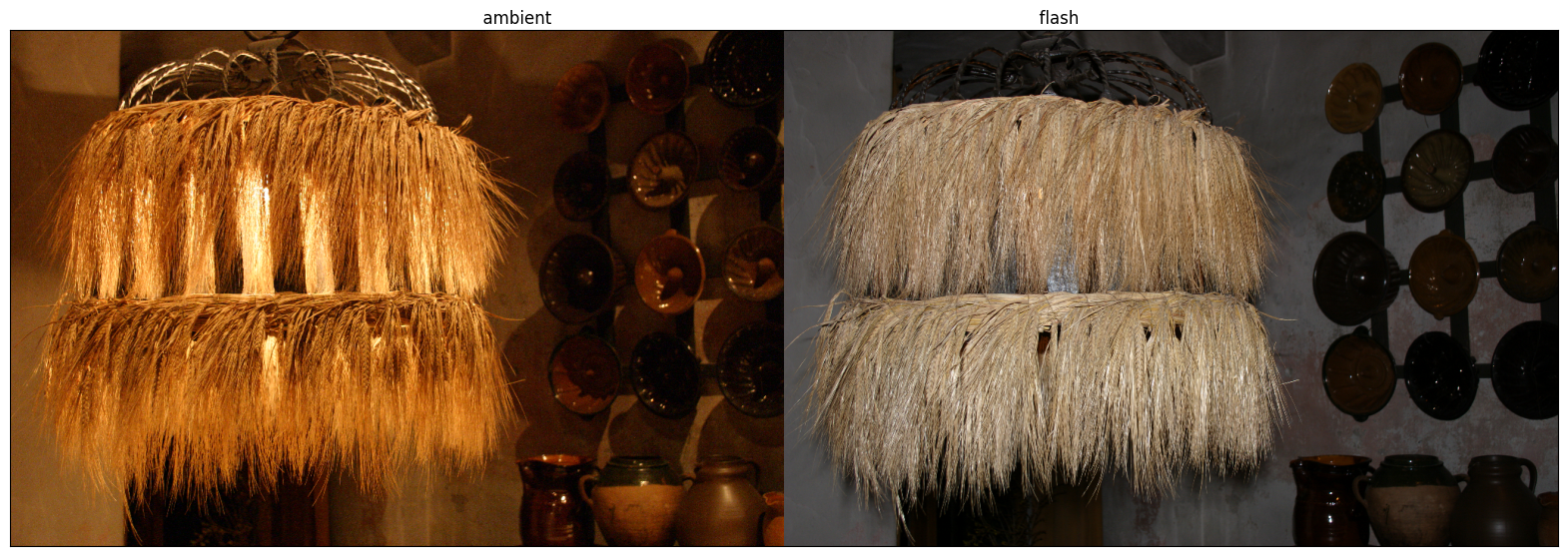
Bilateral Filter
spatial: 4, intensity: 0.15
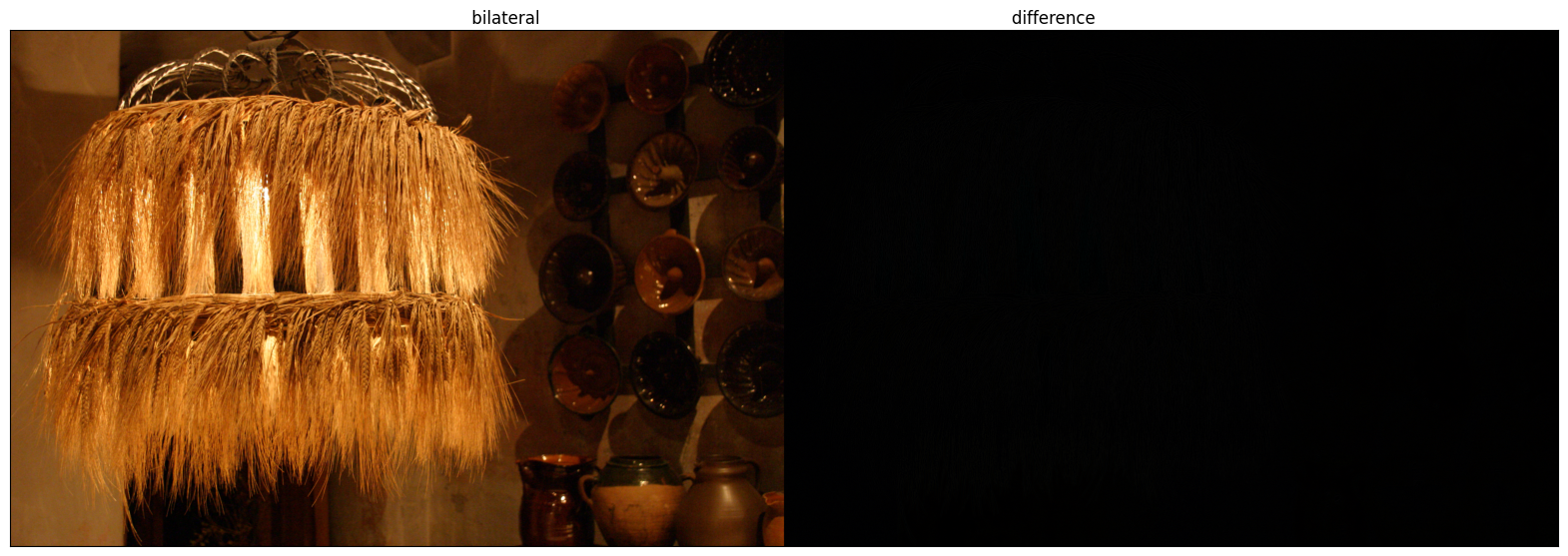
- Advantage: works with a single photo
- Disadvantage: to reduce noise, must sacrifice detail in other regions too
Joint Bilateral Filter
spatial: 3, intensity: 0.1
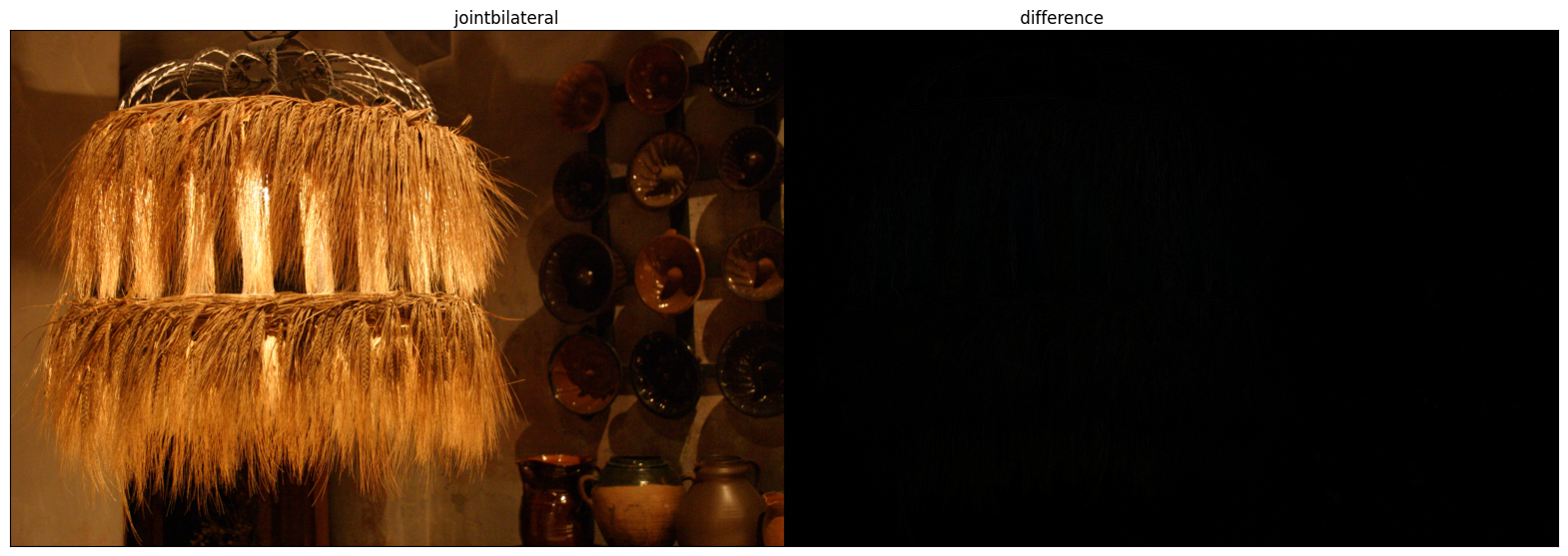
- Advantage: Can use the less noisy area of the flash image as guidance.
- Disadvantage: Must take two images very well aligned.
Detail transfer
Settings for F_base:
spatial: 4, intensity: 0.15
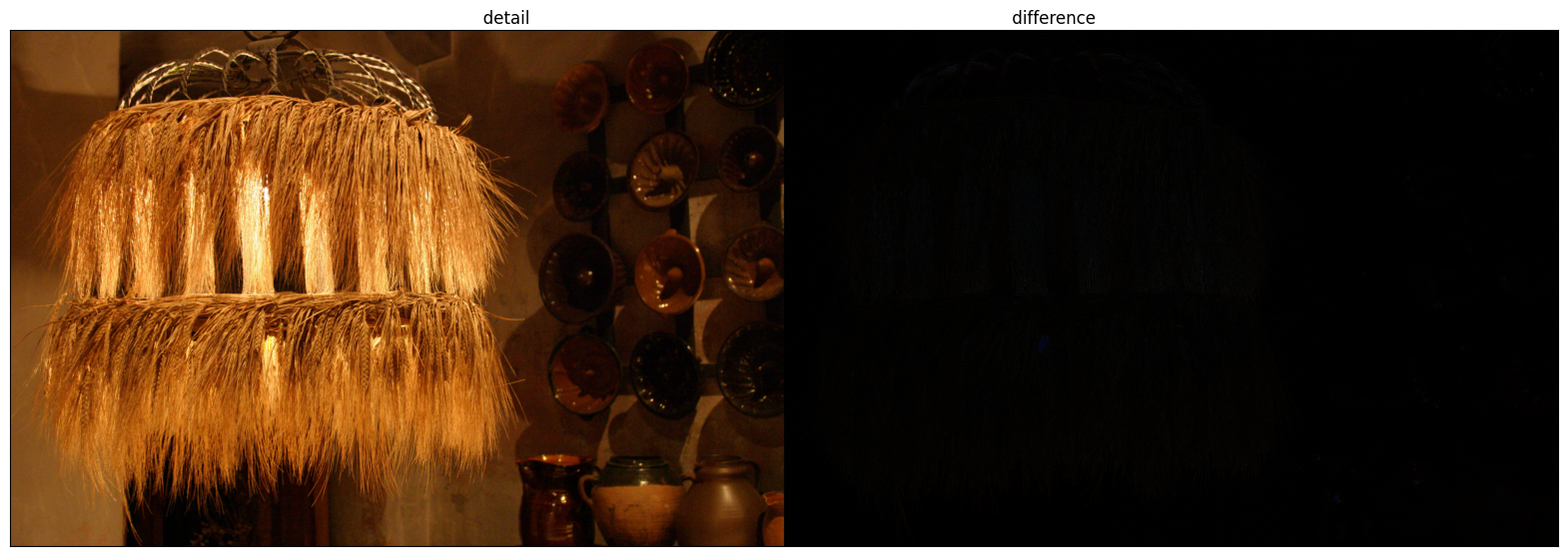
- Advantage: The detail that was lost in joint bilateral filter has come back.
- Disadvantage: requires running the bilateral filter three times.
Shadow and specularity masking
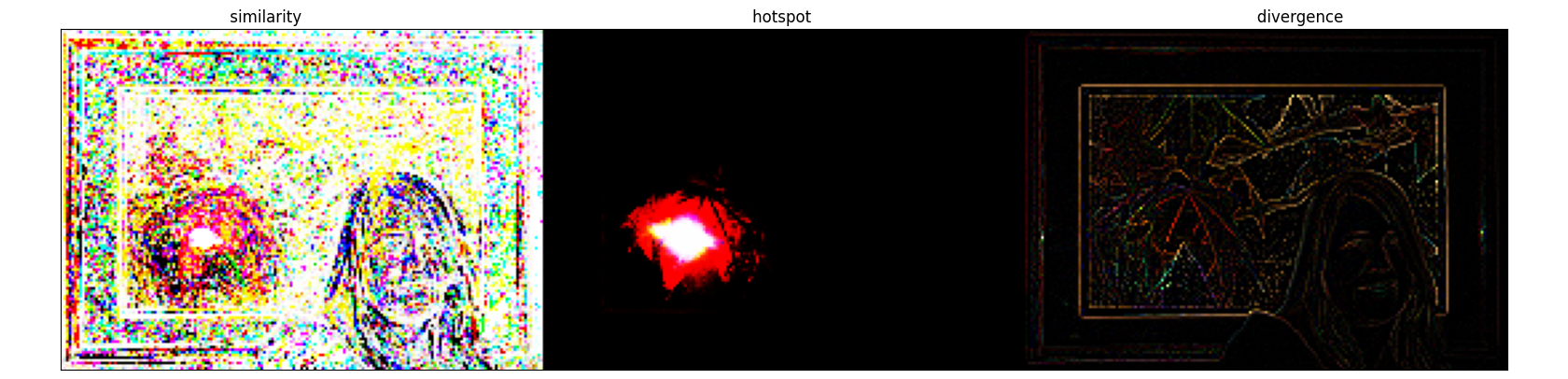
tau_shadow: 0.1, tau_specular: 0.85
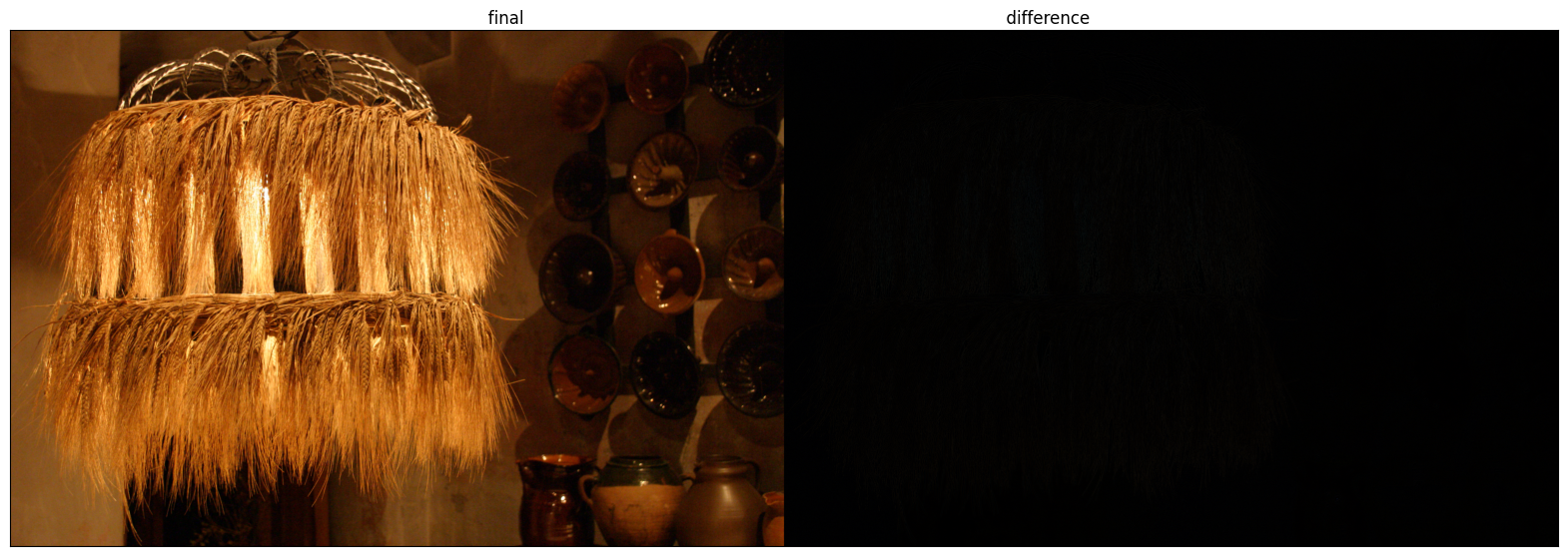
- Advantage: finetunes which source to use for each area of the image.
- Disadvantage: Not a noticeably big difference if specularities don’t exist a lot.
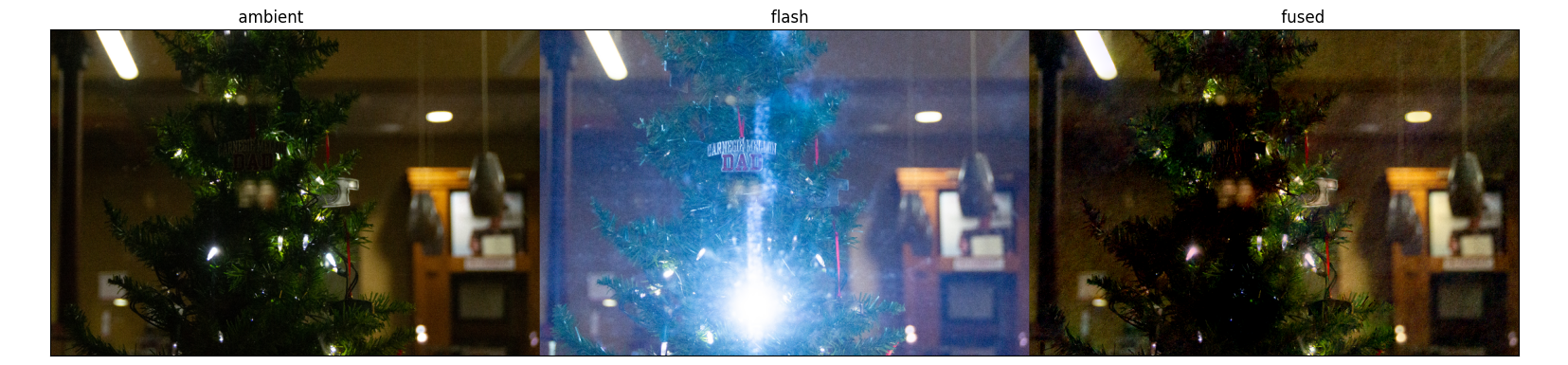
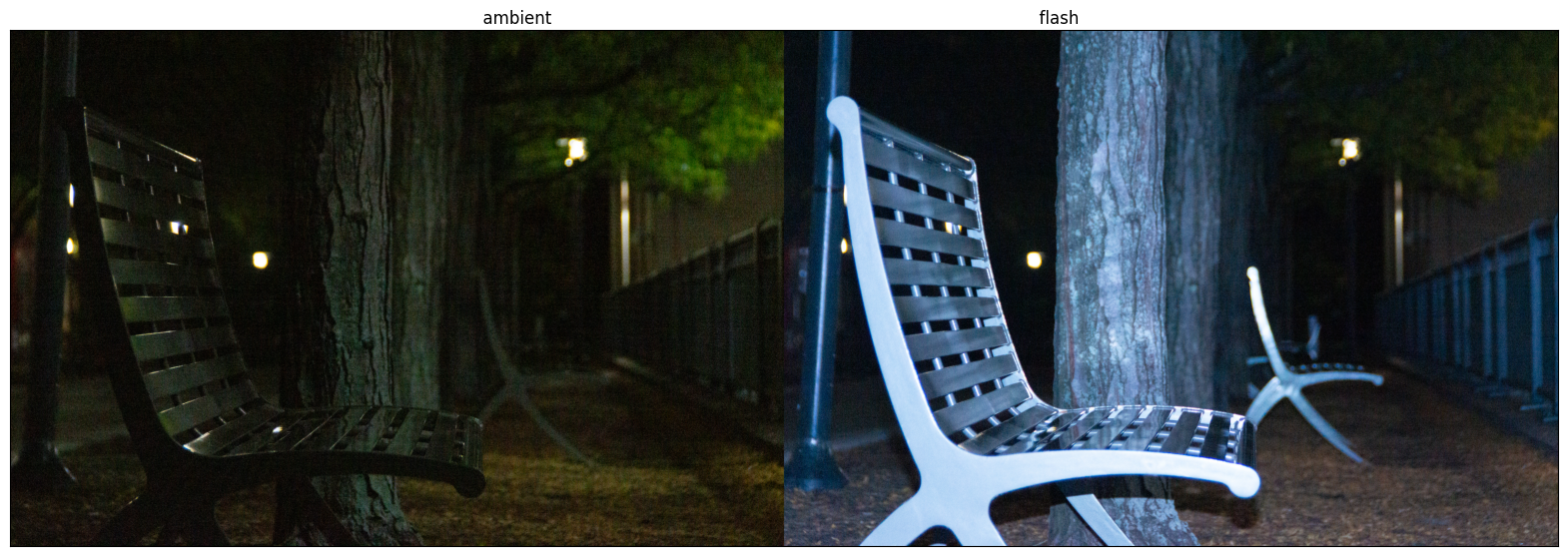
Bilateral filtering on my own image
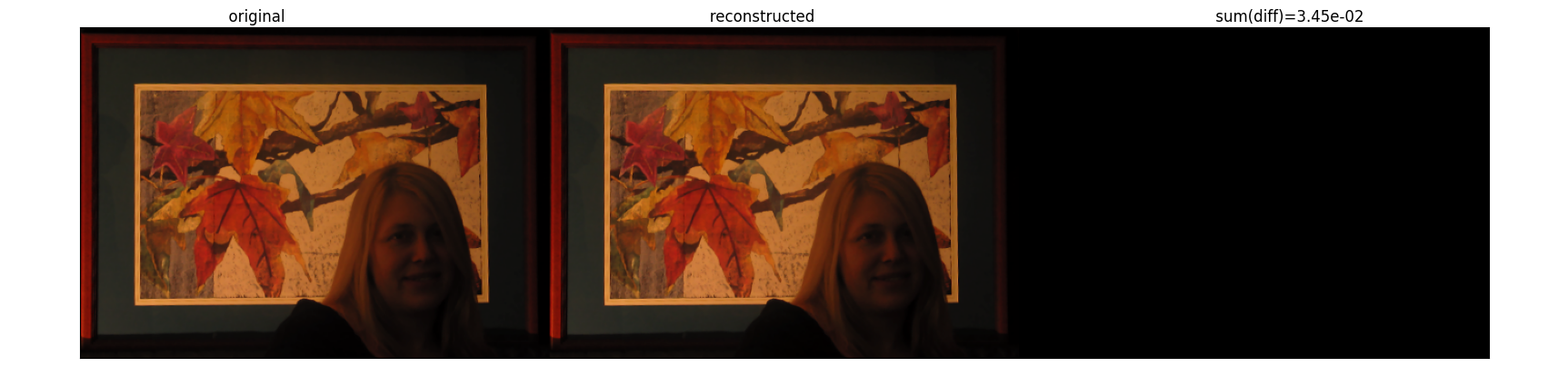
Differentiate and re-integration of image
Fused gradient field
I found \(\sigma=35, \tau_s=0.85\) to give desirable results.
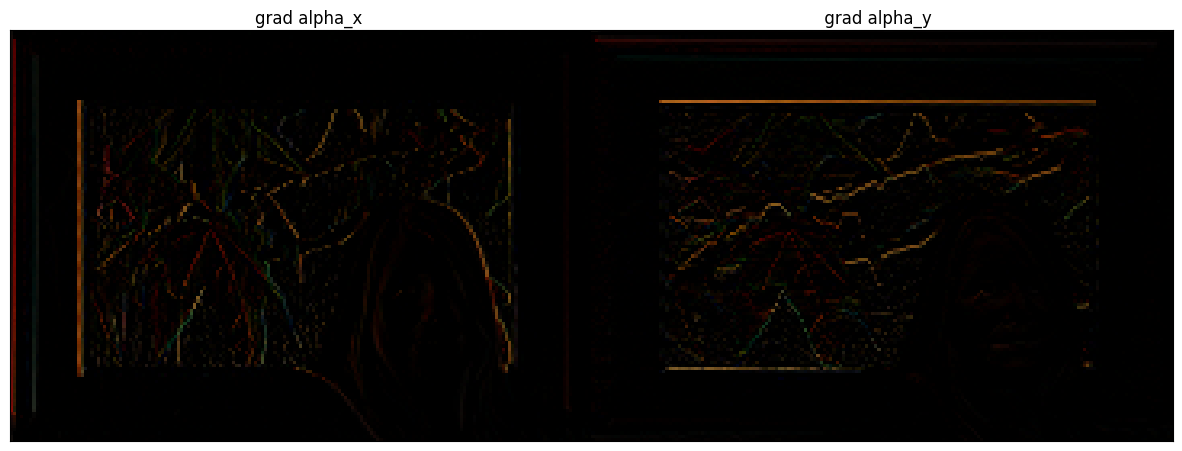
Gradient field \(\nabla \alpha\)
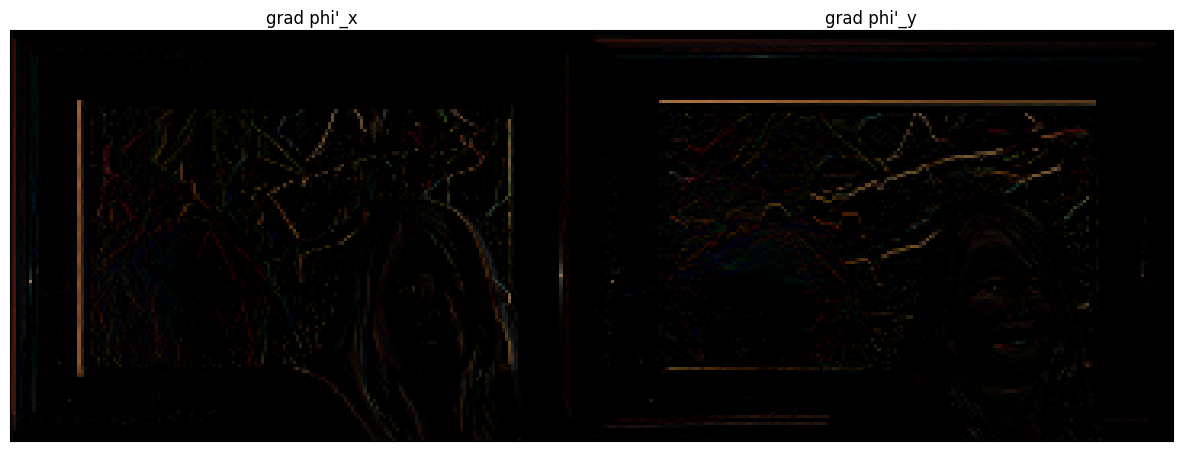
Gradient field \(\nabla \phi^\prime\)
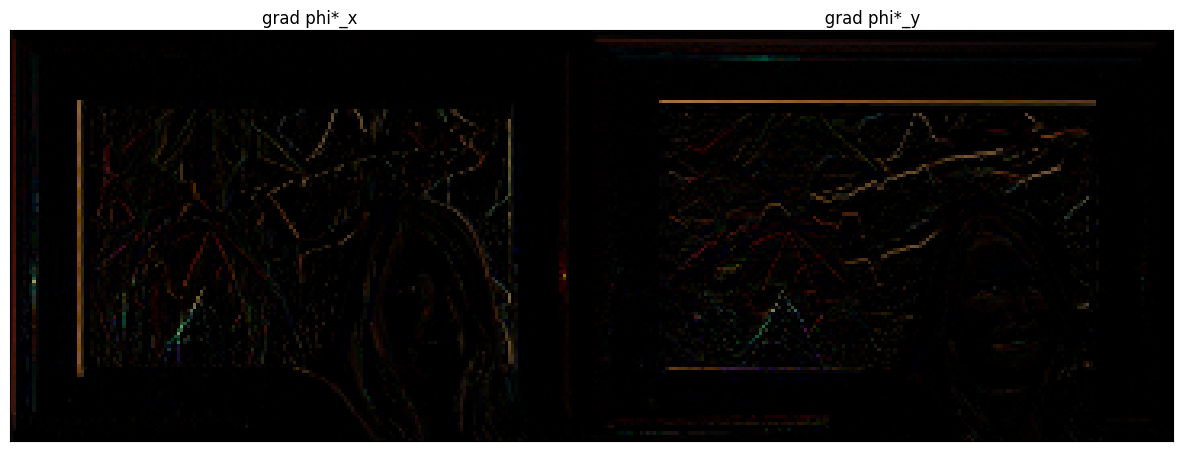
Gradient field \(\nabla \phi^\star\)
Weights
Final fused image
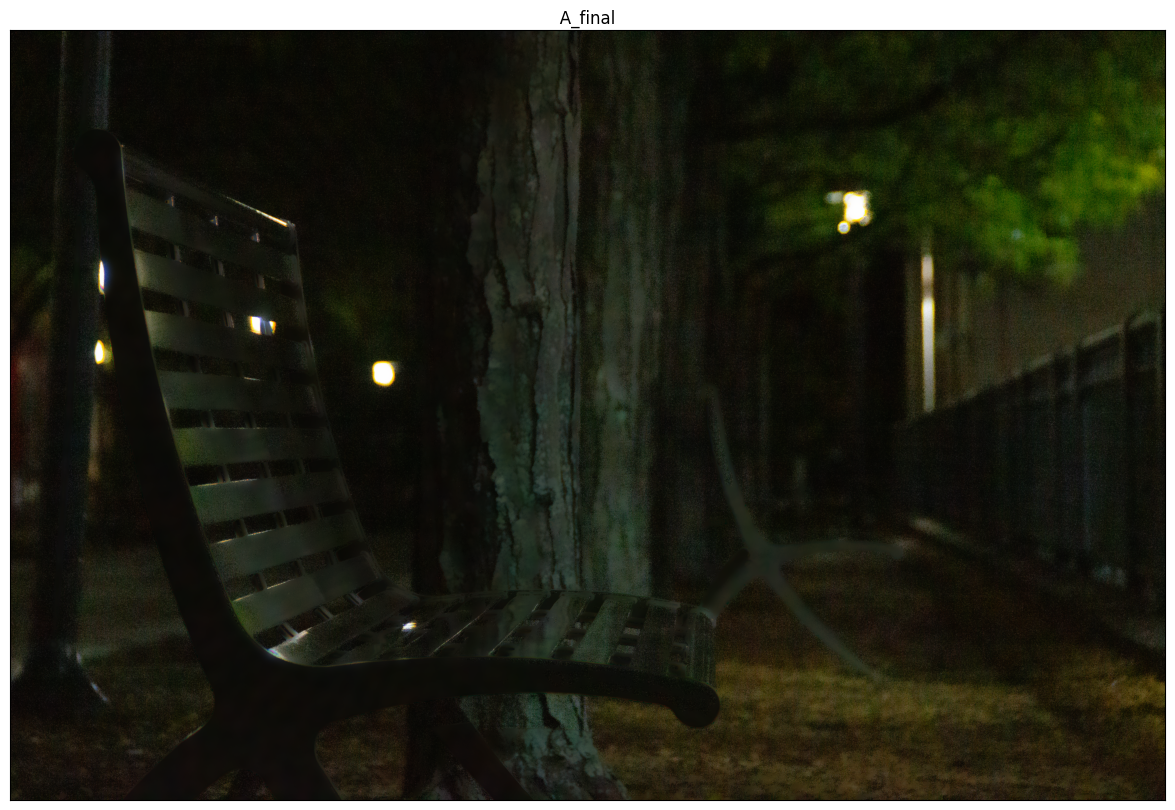
Different initializations did not effect the outcome image that much, but the boundary conditions do. I found the average of the ambient and flash image to give best results.
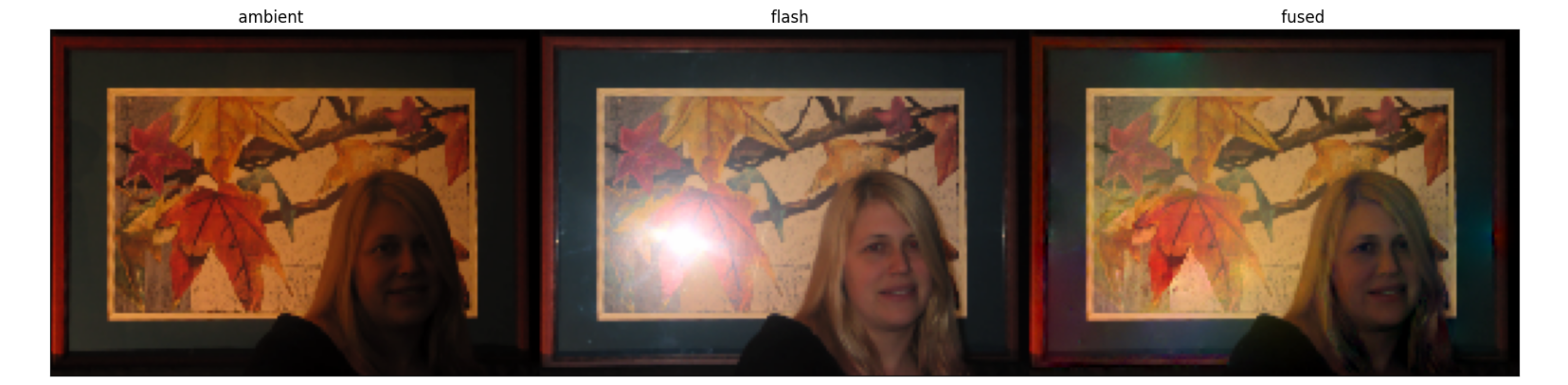
Gradient domain fusion on my own images